Online care, planned for April 2027: a licensed Muslim therapist and a vetted imam, chaplain or spiritual advisor on one plan, meeting you together at the start and the end and each in their own sessions between, so you never have to translate between them.
Every program pairs a licensed therapist with an imam, chaplain or spiritual advisor on one shared care plan.
Sakina
Anxiety & Depression
Evidence-based therapy paired with faith-grounded support, so healing happens on both levels.
8 weeks · 8 sessions2 with both providers · 5 therapy · 1 spiritual care
$1,600 total · $200/week
Yaqeen
OCD & Religious Anxiety
Stop the endless waswasa. Evidence-based OCD treatment, and religious permission to let go.
12 weeks · 12 sessions2 with both providers · 9 therapy · 1 spiritual care
$2,400 total · $200/week
Fajr
Divorce Recovery
Navigate separation with clarity and healing. Rebuild your identity with faith-grounded support.
8 weeks · 8 sessions2 with both providers · 5 therapy · 1 spiritual care
$1,600 total · $200/week
Sabr
Grief & Loss
Grieve fully without losing your faith. Evidence-based grief therapy paired with Islamic framing of qadr and sabr.
8 weeks · 8 sessions2 with both providers · 5 therapy · 1 spiritual care
$1,600 total · $200/week
Mithaq
Premarital
Prepare for your nikah with clarity. Align on rights, responsibilities, and shared values as a couple.
3 sessionsall three with both providers
$600 total · $200/session
Rahma
Marriage Counseling
Reconnect with your spouse — communication, trust, in-laws, intimacy — with therapy and Islamic guidance.
12 weeks · 12 sessions2 with both providers · 9 couples therapy · 1 spiritual care
$3,000 total · $250/week
A Sample Path
Your 8-week path, coordinated
The eight- and twelve-week programs follow the same rhythm, built so both providers stay aligned from first session to graduation. Mithaq is three joint sessions.
Thirteen moments, with illustrative screens, sessions and messages.
Join the waitlist
Care is not available yet. Zaha launches April 2027. Tell us where you are and what you’re looking for — we’ll email you as we get closer to live in your state. We only write when there is something to tell you.
Verily, in the remembrance of Allah do hearts find rest.
Qur’an · 13:28
Our Standards
The standard we vet against
Most platforms say “vetted” without defining it. Every Zaha provider meets six standards. If they can’t, they don’t join.
01
Verified credentials
Active license, graduate institution, board status, checked against the state board before their first client.
02
Evidence-based practice
Therapists trained in CBT, ERP, EMDR, EFT. Imams and chaplains complete Zaha's onboarding on mental health red flags and escalation before their first client.
03
Faith literacy & cultural fluency
We meet you where you are — your background, your language, what you’re carrying. Our team is small. If we can’t pair you well at launch, we’ll be straight with you.
We accept: Credit/debit cards; HSA/FSA cards where your plan allows — eligibility rules vary, ask us.
Billing: Weekly, by card, as sessions are scheduled. No large upfront payment.
Insurance reimbursement (optional): Zaha does not bill your insurance. Nothing is shared with your insurance company unless you choose to submit a superbill for reimbursement. Some plans reimburse part of the cost of the clinical sessions out-of-network — the amount depends on your plan and deductible — and any reimbursement comes directly to you. Superbills include an ICD-10 diagnosis code (required for reimbursement) and the sessions you attended. Mithaq is the exception — premarital work has no diagnosis, so it has no superbill. Submitting a claim puts a mental health diagnosis on your insurance record. If you share a plan with a spouse or a parent, they may be able to see it. If that matters to you, pay privately and submit nothing. Your care is exactly the same either way.
If cost is the obstacle: reduced rates are available on a limited basis. Write to us and the conversation stays private.
Common questions
Regular therapy addresses your mental health but often ignores the faith dimension. Zaha pairs a licensed Muslim therapist with a vetted imam or chaplain who coordinate with each other, so you get one plan that respects both your clinical needs and your deen.
Zaha is virtual and available wherever our licensed therapists are credentialed — therapy licensing is state-by-state in the US, so as we build our clinician network we'll expand coverage. If we can't serve your state yet, we'll add you to the waitlist for when we can. Tell us your state when you join the waitlist and we'll be straight with you.
Your sessions are private. Your data is encrypted and released only with your written consent, and spiritual care sessions follow the same confidentiality agreements. Licensed therapists carry a few narrow legal exceptions — imminent danger to you or someone else, suspected abuse of a child or vulnerable adult, or a court order — and your therapist walks you through them at your first session. Zaha does not bill insurance, so no diagnosis code reaches an insurer unless you choose to submit a superbill yourself.
Zaha does not bill your insurance directly. Nothing is shared with your insurance company unless you choose to submit a superbill for reimbursement. If you do submit, some plans reimburse part of the cost of the clinical sessions out-of-network; the amount depends on your plan and deductible, and any reimbursement comes directly to you. Submitting a claim puts a mental health diagnosis on your insurance record; if you share a plan with a spouse or a parent, they may be able to see it. Superbills include an ICD-10 diagnosis code (required by insurers for reimbursement). Mithaq is the exception — premarital work has no diagnosis, so it has no superbill. If you'd rather your care stay entirely off any insurance record, pay privately and don't submit — that option is fully yours. We also accept HSA and FSA cards.
Yes. We ask about this at intake rather than assuming, for both seats, and match to what you tell us. Right now every one of our therapists is a woman, and so are two of our spiritual advisors, with more joining before launch. If you'd rather work with a male imam, that's common and we won't talk you out of it.
Yes. Your therapist and spiritual advisor accommodate prayer times when scheduling — including jumu'ah on Fridays and adjusting around maghrib during Ramadan. Just let us know your needs.
Not at all. Many clients come to Zaha for premarital preparation, identity questions, or general growth. You don't need to be in crisis to benefit from coordinated care.
All sessions are conducted via secure telehealth — there are no in-person visits, and you and both of your providers can be in different places. Your therapist does have to be licensed in the state you are physically in.
Zaha is built around coordinated care — therapist and spiritual advisor together on one plan. That's the differentiation. If you're set on only one side, a standalone provider may serve you better, and we'll tell you that rather than oversell. Once you complete a program, you can continue with individual sessions to keep the work going.
Our therapists hold active state licenses, checked against the state board before their first client. Imams and chaplains bring documented Islamic training and at least three years of one-on-one spiritual care experience, and complete Zaha's onboarding on mental health red flags and escalation before their first client. All six standards are published on our standards page.
Our licensed therapists can work with trauma inside a program — the weekly one-on-one therapy sessions are yours to use for it. We don't yet offer a structured trauma-specific program — for complex or severe trauma, we'll help you find the right fit during your first session, whether that's working with us or being referred to a trauma specialist.
Reduced rates are available on a limited basis. Write to us and the conversation stays private. Tell us about your situation when you join the waitlist and we'll share options.
Sakina
Anxiety & Depression · 8 Weeks
Sakina (“tranquility” — the Qur’anic word for the peace Allah sends down on hearts). For the weight you carry day to day — anxiety that won’t quiet, low mood that lingers, burnout that won’t lift. Evidence-based therapy paired with faith-grounded guidance.
Week by week
Week 1
✦
Joint kickoff
60 min · with your therapist and spiritual advisor
Weeks 2–3
•
Weekly therapy
50 min each · one-on-one with your therapist
Week 4
Midpoint reflection
45 min · with your spiritual advisor
Weeks 5–7
•
Weekly therapy
50 min each · one-on-one with your therapist
Week 8
✦
Graduation
60 min · with both providers
Also included: a custom digital workbook for weekly reflection, and full team coordination — both your providers actually talk between sessions.
Enrolment opens at launch, April 2027. The waitlist form arrives with this program already selected.
Yaqeen
OCD & Religious Anxiety · 12 Weeks
Yaqeen (“certainty” — the Qur’anic concept that breaks the cycle of doubt). Stop the endless cycle of waswasa. Evidence-based OCD treatment (ERP) paired with religious guidance — the tools and the permission to let go. Extended to 12 weeks to match the clinical evidence for lasting change.
Week by week
Week 1
✦
Joint kickoff
60 min · with your therapist and spiritual advisor
Weeks 2–5
•
Weekly therapy
50 min each · ERP-based · with your therapist
Week 6
Midpoint reflection
45 min · with your spiritual advisor
Weeks 7–11
•
Weekly therapy
50 min each · ERP-based · with your therapist
Week 12
✦
Graduation
60 min · with both providers
Also included: a custom digital workbook for weekly reflection, and full team coordination — both your providers actually talk between sessions.
Enrolment opens at launch, April 2027. The waitlist form arrives with this program already selected.
Fajr
Divorce Recovery · 8 Weeks
Fajr (“dawn” — the prayer that breaks the night, a Qur’anic image of new beginnings). Navigate separation with clarity and emotional healing. Whether you initiated the divorce or not, this program helps you process grief, rebuild identity, and move forward with your faith intact.
Week by week
Week 1
✦
Joint kickoff
60 min · with your therapist and spiritual advisor
Weeks 2–3
•
Weekly therapy
50 min each · one-on-one with your therapist
Week 4
Midpoint reflection
45 min · with your spiritual advisor
Weeks 5–7
•
Weekly therapy
50 min each · one-on-one with your therapist
Week 8
✦
Graduation
60 min · with both providers
Also included: a custom digital workbook for weekly reflection, and full team coordination — both your providers actually talk between sessions.
Enrolment opens at launch, April 2027. The waitlist form arrives with this program already selected.
Sabr
Grief & Loss · 8 Weeks
Sabr (“patient endurance” — not numbness, but staying with Allah’s decree while feeling everything). For the weight of losing someone — a parent, a spouse, a child, a friend. Evidence-based grief therapy paired with an Islamic framework for bereavement.
Week by week
Week 1
✦
Joint kickoff
60 min · with your therapist and spiritual advisor
Weeks 2–3
•
Weekly therapy
50 min each · one-on-one with your therapist
Week 4
Midpoint reflection
45 min · on sabr, qadr, and faith through loss
Weeks 5–7
•
Weekly therapy
50 min each · one-on-one with your therapist
Week 8
✦
Graduation
60 min · with both providers
Also included: a custom digital workbook for weekly reflection, and full team coordination — both your providers actually talk between sessions.
Enrolment opens at launch, April 2027. The waitlist form arrives with this program already selected.
Mithaq
Premarital · 3 Sessions
Mithaq (“solemn covenant” — the Qur’anic word for the marriage bond). Prepare for your nikah with clarity and confidence. Couples align on rights, responsibilities, communication, and shared values before walking into the rest of their lives together.
In Mithaq, both partners are clients. Matching, scheduling, confidentiality, and care plans are set with both of you in mind from intake — no one-sided side conversations.
Three sessions
Session 1
✦
Foundation
60 min · joint · rights, responsibilities, expectations
Session 2
✦
Communication
60 min · joint · therapist-led · conflict, family-of-origin patterns
Session 3
✦
Pre-nikah conversation
60 min · joint · led by your spiritual advisor, building a shared spiritual life
Also included: a custom digital workbook for shared reflection between sessions, and full team coordination — both your providers actually talk between sessions.
Enrolment opens at launch, April 2027. The waitlist form arrives with this program already selected.
Rahma
Marriage Counseling · 12 Weeks
Rahma (“mercy” — the trait the Prophet ﷺ named as the foundation of marriage). For couples navigating a real marriage — communication breakdowns, trust rebuilding, in-law dynamics, intimacy, or simply feeling disconnected. Couples therapy integrated with Islamic guidance on rahma, sabr, and shared purpose.
In Rahma, both spouses are clients. Matching, scheduling, confidentiality, and care plans are set with both of you in mind from intake — no one-sided side conversations.
Week by week
Week 1
✦
Joint kickoff
60 min · both spouses and both providers
Weeks 2–5
•
Weekly couples therapy
50 min each · both spouses with your therapist
Week 6
Midpoint reflection
45 min · both spouses with your spiritual advisor
Weeks 7–11
•
Weekly couples therapy
50 min each · both spouses with your therapist
Week 12
✦
Graduation
60 min · with both providers
Also included: a custom digital workbook with shared exercises and individual reflection space, and full team coordination — both your providers actually talk between sessions.


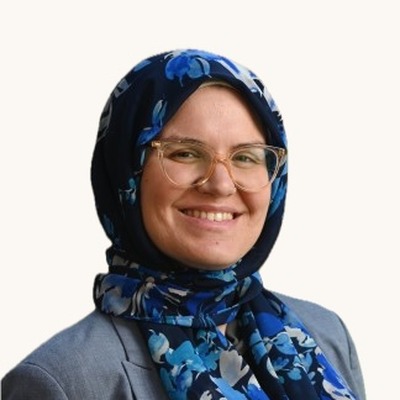
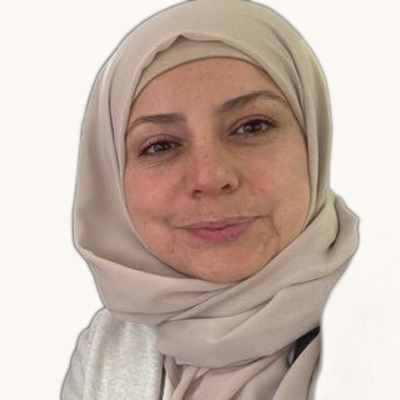
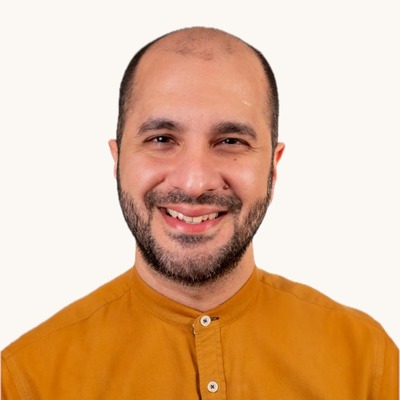
 Meet the therapists, imams and chaplains behind your care →