Our Providers

The therapists, imams and chaplains behind your care.

Therapists licensed in Texas and New Jersey

Therapy is licensed state by state, so that is where a Zaha therapist can see you at launch. Spiritual advisors are not state-licensed clinicians and are not limited by state lines.

Therapists

Licensed Muslim clinicians. All care is virtual.

Therapist
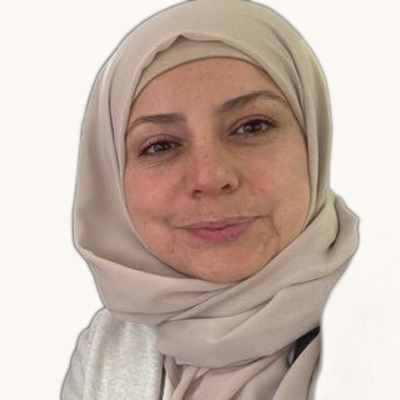
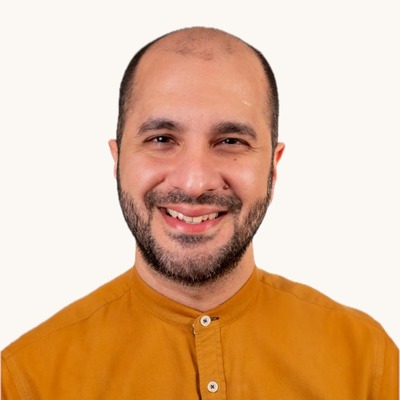
Saliha Qadir
MS, LPC, NCC · Texas · English · Urdu
EMDR-trained counselor with over eight years of practice, working with individuals and couples where faith, culture, and family ties meet. Much of her work is with couples and marriages.
Full profile →
Therapist
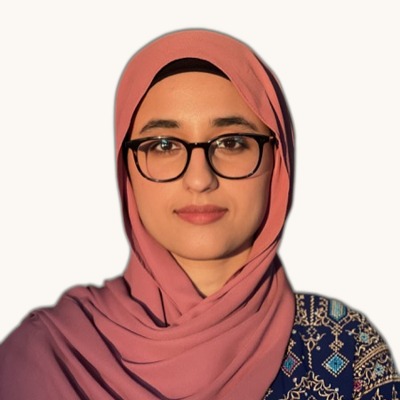
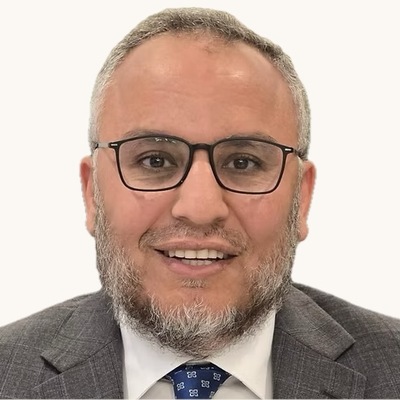
Reem Saeid
LPC, NCC · New Jersey · English · Arabic
Trained in Traditional Islamically Integrated Psychotherapy through the Khalil Center. The daughter of immigrants, she supports clients while honoring their cultural identities and beliefs.
Full profile →
Therapist
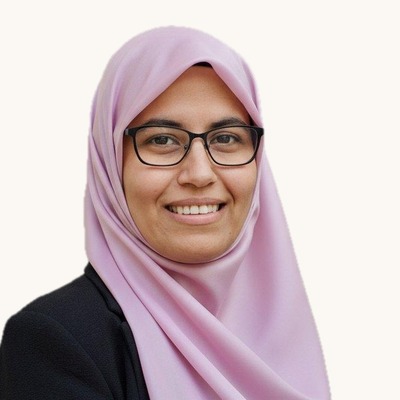
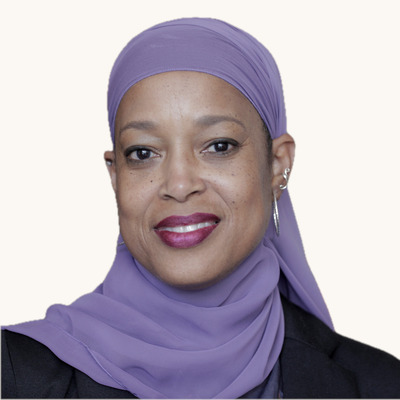
Mariam Saibu
LPC, CRC · Texas · English
The counselor behind a women's practice built around what Muslim women actually carry. Her work centers women's mental health, including ADHD in women, which so often goes unrecognized for years.
Full profile →
Therapist
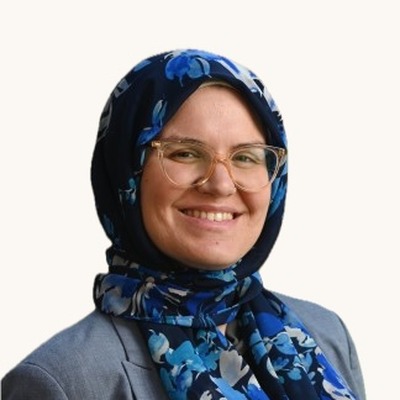
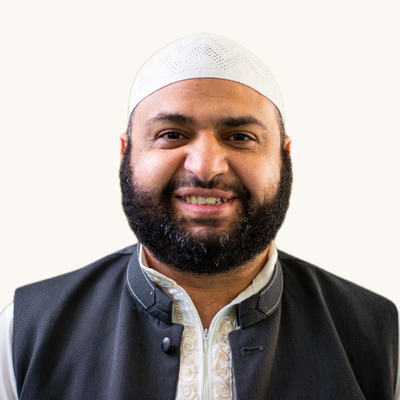
Muhibbah Khan
LPC · Texas · English · Urdu
Works where individualistic and collectivist cultures meet, offering Islamic counseling alongside evidence-based clinical care. Drawn to the connection between religion and mental health.
Full profile →
Therapist
Dina Abdelrahman
LPC · Texas · English & Arabic
Formal trauma training — CPT provider status through the Strong Star Initiative — held alongside faith-centered, culturally sensitive practice. Sees clients in Arabic and English.
Full profile →

Spiritual advisors

Imams and chaplains. We check their training and their standing in their own community. They accompany; they don’t diagnose.

Spiritual advisor
Tauseef Akbar
Chaplain · English
Associate Director of Spiritual Life and Coordinator of Muslim Life at the University of Chicago. Years of walking alongside people through faith questions, grief, family tension, and identity work.
Full profile →
Spiritual advisor
Nora Zaki Mantaş
Chaplain · English & Arabic
A Muslim chaplain who now teaches the tradition she practices. Years of campus chaplaincy at Vassar and Bard, and the founder of MyMuslimChaplain.
Full profile →
Spiritual advisor
Jawad Bayat
Chaplain · English
An imam who trains the chaplains hospitals rely on. ACPE Certified Educator and National Faculty member, leading chaplain training across the greater Philadelphia region.
Full profile →
Spiritual advisor
Ossama Bahloul
Imam · English & Arabic
Resident Scholar of the Islamic Center of Nashville and Muslim Chaplain at Vanderbilt University — the imam families call and the chaplain on campus, in one person. Al-Azhar trained through the doctorate, and a member of the Fiqh Council of North America.
Full profile →
An illustrative example

How a pair works.

One example pairing, to show what each provider does across the same eight weeks. Your own pair is set at intake — this is the shape of it, not an assignment.

Saliha QadirMS, LPC, NCC · clinical
+
Tauseef AkbarChaplain · spiritual
Week 1
Both read the same intake, and each sends you a note before you meet them. The kickoff hour is the three of you, writing the care plan on screen — so you never tell the story twice.
Weeks 2–3
Saliha does the clinical work. If a religious question comes up, it goes to Tauseef rather than getting an answer from a clinician.
Week 4
Tauseef holds the midpoint alone, 45 minutes. He is not starting cold — he and Saliha keep their own thread.
Weeks 5–7
Back with Saliha. Tauseef sends her a short readout afterwards, with your consent.
Week 8
Graduation, all three of you, looking at the distance traveled.
What you’ll see

Every profile, the same depth.

No one-line bios. Each Zaha provider profile shows you what you need to decide whether to trust them with your care.

01

Credentials, verified

Active license number, state, graduate institution, specialized training, board status. Cross-checked with state boards before they join.

02

Their voice

How the provider talks about their work — in their own words. Not marketing copy. The line they’d say in a first session.

03

What they work with

Specific specialties: anxiety, OCD, grief, marriage, faith-related ambivalence. Not "everything for everyone."

04

Languages and cultural context

Languages spoken. Cultural traditions they’ve worked with. Communities they’ve served. Honest about what they don’t know.

05

Real availability

Time zone, session windows, languages, joint-session compatibility. Updated by the provider, not stale at sign-up.

06

How they coordinate

Who they pair with on the spiritual or clinical side. How they handle joint sessions, written care updates, and crisis escalation.

We won’t hire a provider who can’t fill all six. Read our six standards →

Be among the first matched.

Join the waitlist and we’ll reach out the moment we’re live in your state.

Join the waitlist